



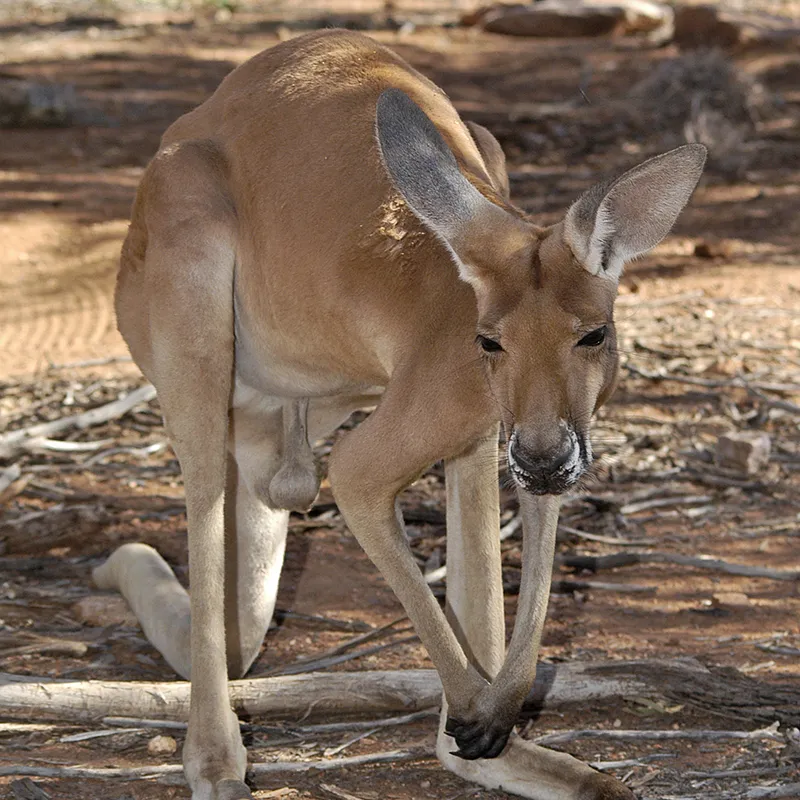
Utopia Bush Tucker: Kangaroo & Wallaby
An introduction to kangaroo and wallaby as important native animals and traditional Bush Tucker in the Utopia region.
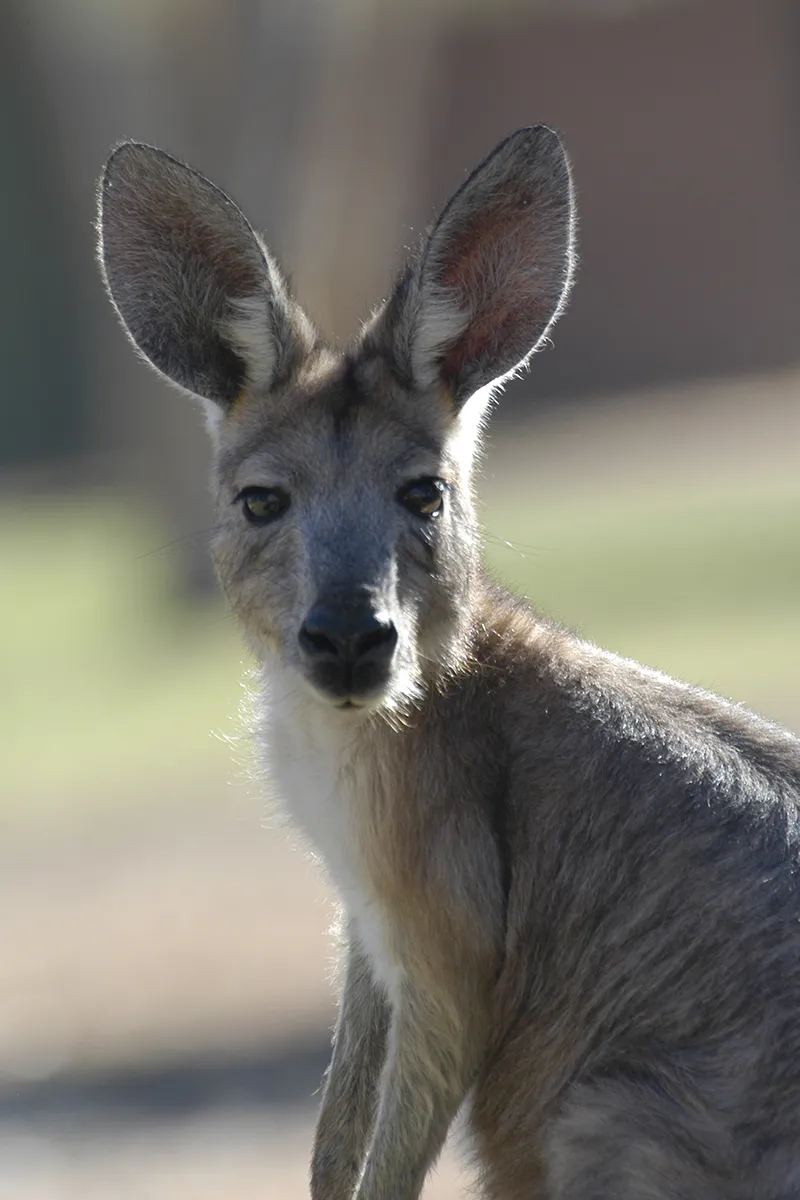
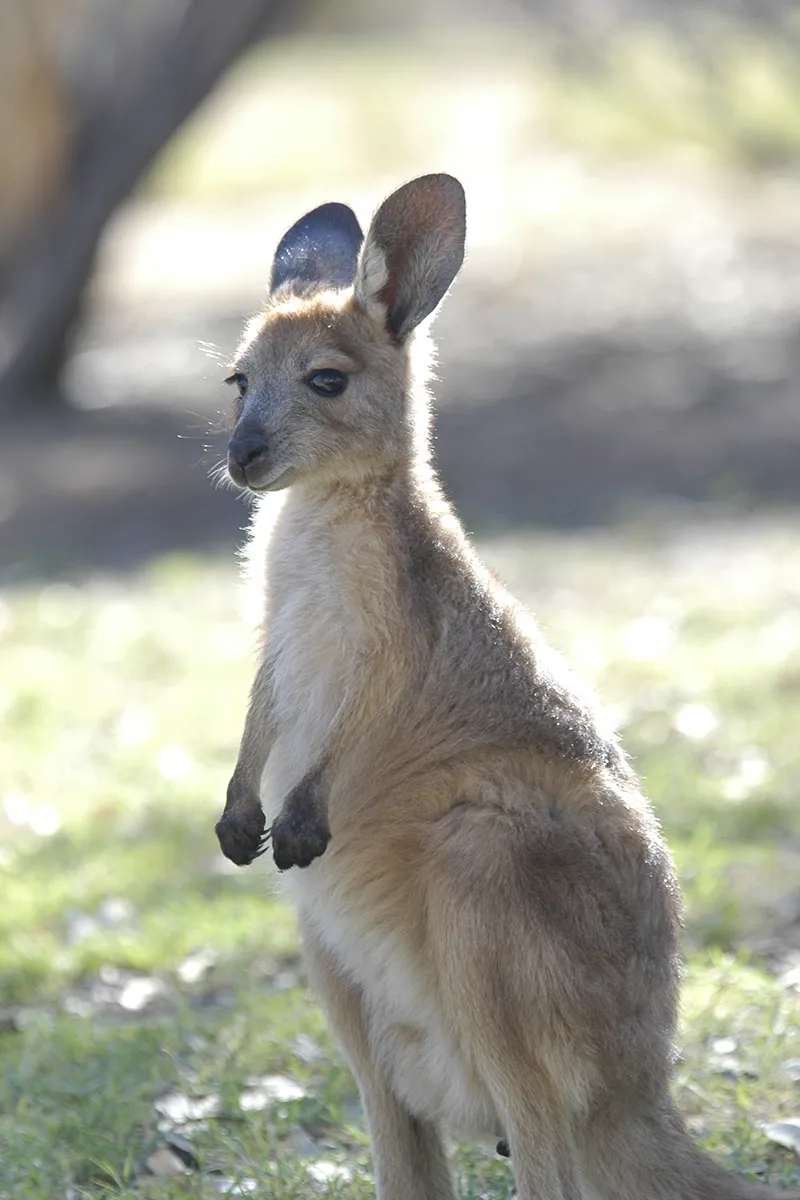
Traditional Hunting and Bush Tucker of Central Australia
Kangaroos and wallabies are an important part of Bush Tucker for Aboriginal people in Central Australia, providing a traditional source of food that has been used for thousands of years. Found across Country, these native animals are closely observed and understood through detailed knowledge of their movement, behaviour and habitats. For many Aboriginal families, they are traditionally hunted as part of a seasonal way of life, with practices guided by an understanding of when animals are most active, where they are likely to be found, and how they move across the landscape. This knowledge is passed down through generations, teaching both practical hunting skills and the cultural responsibility and respect connected to Country.
In the past, kangaroos and wallabies were typically hunted using spears, clubs, and later firearms, with hunters relying on tracking skills to follow footprints, droppings and movement patterns across Country. Once caught, the animals were carefully prepared using traditional methods. The meat was cooked over open fires, either placed directly on hot coals or wrapped in paperbark or other available materials to help retain moisture and flavour. Every part of the animal was used where possible, reflecting a deep respect for Country and for the resource itself.
One of the most valued parts of the kangaroo is the tail, considered a special delicacy in many Central Australian communities. It is often slow-cooked in hot coals or ashes over a long period, allowing the meat to become tender and rich in flavour, and is traditionally shared among family and community after cooking. This sharing makes it not only a food source but also an important part of social gatherings and the passing on of knowledge and connection. Today, these practices continue in many communities, blending traditional knowledge with modern tools while maintaining cultural protocols and respect for the animal, with fire cooking still playing a central role in bringing people together and strengthening ties to Country and culture.
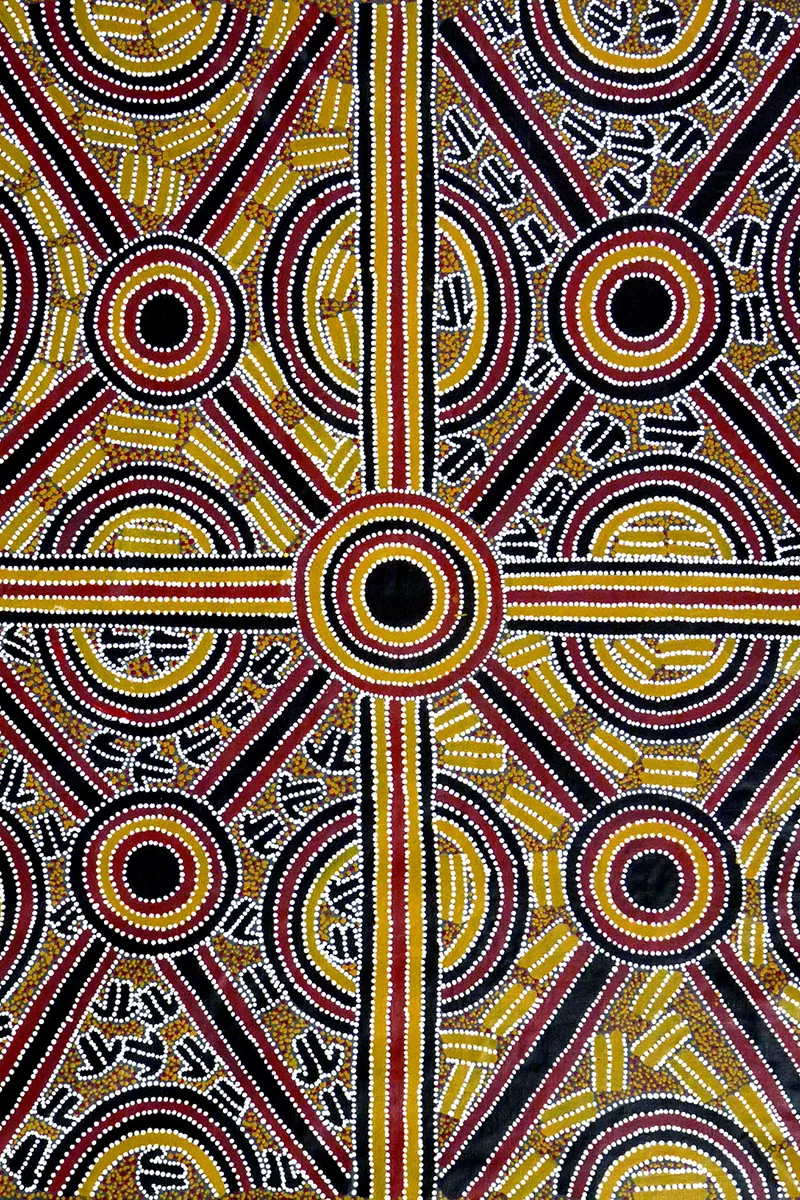
Kangaroo Dreaming Meanings and Symbols in Art
In Central Australian art, kangaroos and wallabies are typically represented by their tracks rather than drawings of the animals themselves. Artists paint distinctive tracking symbols, such as  , to represent the movement of the animal across Country. The paired marks show the impressions left by the animal's powerful hind paws as it hops, while the line through the centre represents the tail dragging through the sand between each set of tracks. This unique tracking pattern allows those familiar with Aboriginal art symbols and stories to recognise a kangaroo or wallaby travelling through the landscape.
These painted tracks follow paths that connect different symbols on the canvas, such as concentric circles which represent waterholes, rockholes, or specific campsites. When artists paint these tracks, they are mapping out specific Kangaroo Dreaming stories and historical hunting journeys across their homelands. The paintings serve as a visual record of the physical movement of the animals and the traditional knowledge needed to find them on Country.